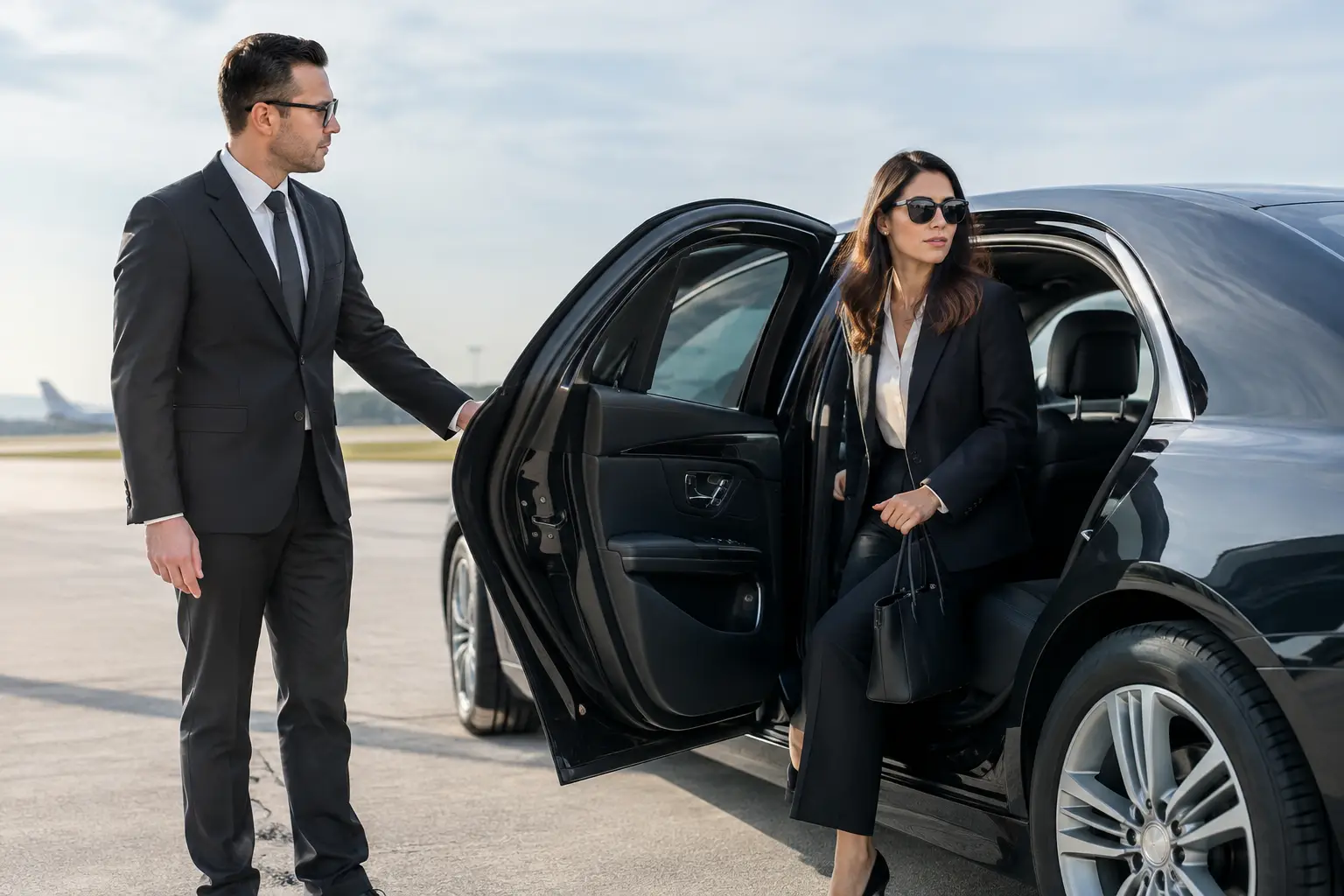
A board meeting can be decided before anyone enters the conference room. An executive who arrives composed, on time, and ready to speak has protected the value of the hour. That is why the best cars for board meetings are not simply the most expensive vehicles. They are the vehicles that give leaders the right degree of privacy, comfort, presence, and operational control.
For an individual executive, a flagship sedan may be the correct answer. For a leadership team moving through Manhattan in poor weather, a full-size SUV may be the more intelligent choice. For investor groups or off-site meetings, an executive sprinter can turn travel time into productive meeting time. The proper selection begins with the agenda, the passengers, and the impression the organization needs to make.
What Board Meeting Transportation Must Deliver
Board-level transportation has a different standard from ordinary business travel. The vehicle must support preparation, not interrupt it. That means a quiet cabin, generous rear-seat space, professional climate control, reliable luggage capacity, and an experienced chauffeur who understands discretion.
Appearance matters, but it should be calibrated. An overly conspicuous vehicle can distract from the purpose of a meeting, while an undersized or poorly presented vehicle can signal a lack of preparation. The best choice feels intentional: polished enough for a Fortune 500 boardroom, restrained enough for a confidential meeting, and comfortable enough to make traffic productive rather than frustrating.
Chauffeur execution is equally central. A superb vehicle loses its value if pickup timing is uncertain, the chauffeur is unfamiliar with the entrance protocol, or the route has not accounted for Midtown congestion, private aviation schedules, or a tightly timed airport arrival. At this level, transportation is part of the meeting plan.
7 Best Cars for Board Meetings
Mercedes-Benz S-Class
The Mercedes-Benz S-Class remains a benchmark for executive sedan transportation. Its rear cabin is designed for calm: supportive seating, excellent sound insulation, refined ride quality, and enough room to review notes without feeling confined. It has presence without becoming theatrical.
This is an especially strong choice for one to three senior passengers traveling to a client presentation, board session, dinner, or private meeting. The trade-off is capacity. An S-Class is ideal for executives who value a sedan’s discreet profile, but it is not the vehicle for a group carrying extensive luggage or presentation equipment.
BMW 7 Series
The BMW 7 Series suits executives who prefer a more modern, technology-forward environment. It offers a spacious rear compartment and a poised ride, while retaining the formal silhouette expected at major corporate destinations.
For a CEO, visiting board member, or principal traveling between meetings, it strikes a compelling balance between authority and comfort. Its character is slightly more contemporary than traditional, which can make it particularly suitable for technology, finance, media, and growth-oriented companies.
Audi A8
The Audi A8 is one of the most understated choices in the executive category. Its design is reserved, its cabin is quiet, and its overall impression is one of careful, confident professionalism. For clients who value discretion above visual spectacle, that restraint is a feature.
It works well for senior legal, financial, diplomatic, and corporate guests who need to arrive without drawing unnecessary attention. As with other flagship sedans, it is best for smaller passenger counts and engagements where a calm, refined entrance is more valuable than maximum cargo space.
Cadillac Escalade
The Cadillac Escalade is a commanding option for board members who need space, elevated visibility, and a strong arrival presence. It is particularly practical for groups of up to five or six passengers, airport arrivals with luggage, and schedules that involve multiple stops.
In New York, the Escalade is often a sensible solution when weather, luggage, or security preferences make a sedan less practical. The larger footprint is the trade-off. It is not always the most discreet option, and its size requires careful curbside planning at busy venues. With an experienced chauffeur and coordinated pickup instructions, however, it is exceptionally capable.
Chevrolet Suburban
The Chevrolet Suburban is often the quiet workhorse of executive group travel. It offers significant passenger and luggage capacity while presenting a more reserved profile than some luxury SUVs. For teams moving from JFK, LaGuardia, Newark, or a Manhattan hotel to a meeting, that practicality can be more valuable than a more expressive design.
This vehicle is an excellent choice when the priority is logistical confidence: multiple travelers, carry-on bags, presentation materials, or an itinerary that shifts throughout the day. It may not offer the same rear-seat finish as a flagship sedan, but it solves complex movement requirements with authority.
Range Rover
The Range Rover is appropriate when premium comfort and a distinctive executive image are both priorities. Its cabin feels elevated and private, while its design communicates a more individual style than the traditional German sedan or full-size American SUV.
It can be a strong selection for executive dinners, luxury hospitality events, fashion and media appointments, or meetings where the guest’s personal brand is part of the occasion. The consideration is tone. For a conservative boardroom, an S-Class or A8 may be more aligned. For a principal who expects a more expressive luxury experience, the Range Rover earns its place.
Executive Sprinter
For leadership teams, investor groups, site visits, and off-site strategy sessions, an executive sprinter is often the smartest board meeting vehicle available. Rather than separating a group into multiple cars, it keeps decision-makers together in a private, spacious cabin. Depending on configuration, passengers can converse, prepare, and coordinate before arrival.
An executive sprinter is especially useful for groups traveling from a private terminal, moving between meetings across the Tri-State Area, or attending a conference with several senior stakeholders. It is not the right choice for a single executive who needs a subtle arrival. For a group, though, it replaces fragmented travel with one controlled, professional movement.
How to Choose the Right Vehicle for the Meeting
Start with passenger count, but do not stop there. Two executives with garment bags and airport luggage may need an SUV, while four executives traveling light may be better served by an executive sprinter if they need to speak privately en route. Consider whether the vehicle is simply transporting people or functioning as a mobile extension of the office.
Next, consider the meeting’s character. A quarterly board meeting at a headquarters may call for a discreet sedan. A roadshow involving several presentations across the city may call for a full-size SUV and an hourly chauffeur reservation. A private dinner following a meeting may favor a vehicle that delivers a more elevated guest experience.
Finally, think through the arrival itself. Is there a secure entrance? A specific curbside protocol? A building that requires advance vehicle information? Does the chauffeur need to remain nearby for an uncertain departure time? These details are easily overlooked, yet they are often what separates a routine transfer from executive-grade service.
Why the Chauffeur Matters as Much as the Car
The vehicle is visible. The chauffeur is responsible for making it work.
A professional chauffeur arrives early, confirms the pickup point, assists appropriately with luggage, maintains a composed presence, and understands that conversations in the vehicle are private. They should know when to engage and when silence is the highest form of service. For board members discussing results, personnel decisions, transactions, or strategy, that discretion is non-negotiable.
The strongest chauffeur service also provides operational support behind the scenes. Flight monitoring, 24/7 dispatch, coordinated manifests, and clear communication with executive assistants reduce the burden on the people organizing the day. One point of contact and one consistent service standard become particularly valuable when a meeting involves arrivals from different cities or changes at short notice.
NYC Drivers provides this level of coordinated luxury transportation for executives, corporate teams, and VIP guests who require polished vehicles, licensed chauffeurs, and precise execution across New York City and the Tri-State area.
Make the Vehicle Part of the Meeting Strategy
The right car does more than create a strong first impression. It protects preparation time, preserves confidentiality, and gives executives a controlled transition between the demands of travel and the demands of leadership.
For a single principal, select a flagship sedan that emphasizes quiet confidence. For a team, choose an SUV or executive sprinter that preserves space and coordination. Then give the chauffeur service the full itinerary, key contacts, venue details, and expected departure window. When transportation is planned with the same care as the board agenda, everyone arrives ready for the conversation that matters.
Leave a Reply