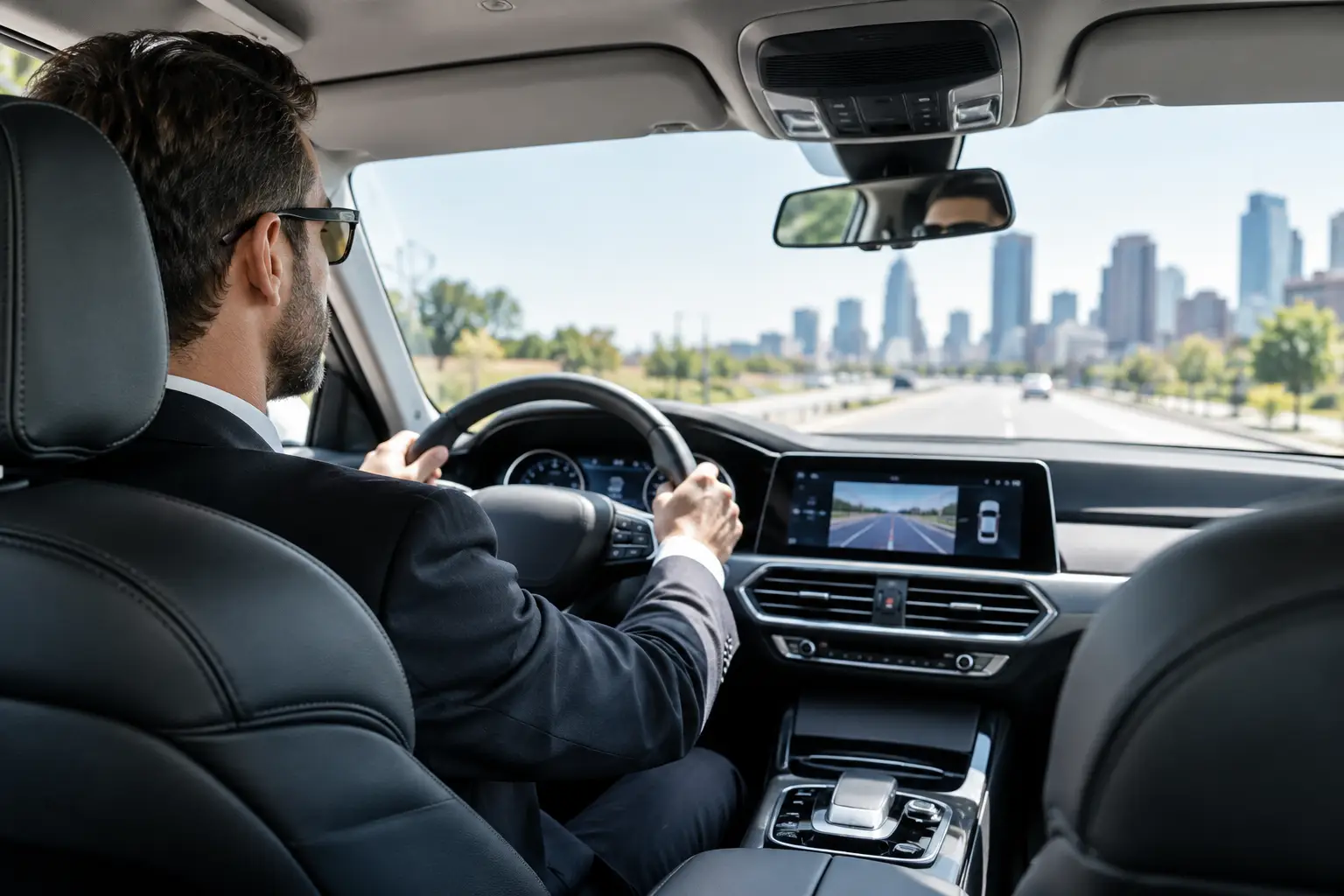
A late arrival at JFK, a board meeting in Midtown, or a high-profile event in Manhattan leaves little room for uncertainty. Chauffeur safety features are not extras reserved for exceptional circumstances. They are the systems, standards, and professional judgment that protect passengers, schedules, privacy, and peace of mind on every reservation.
For executive travelers and the teams who arrange their transportation, safety begins long before a vehicle reaches the curb. It is built into chauffeur selection, fleet maintenance, dispatch oversight, route planning, and clear communication. The difference is visible when conditions change: an early flight, a weather delay, an unexpected security concern, or a last-minute change of venue.
Chauffeur Safety Features Start With the Professional
The most valuable safety feature in a premium vehicle is the person operating it. A qualified chauffeur does more than know the fastest route. They understand defensive driving, passenger etiquette, local traffic patterns, airport procedures, and how to make measured decisions under pressure.
Professional licensing and proper insurance are fundamental. In New York City, TLC licensing confirms that a chauffeur has met local regulatory requirements. Yet compliance is only the starting point. Premium chauffeur service also demands a polished driving record, ongoing performance expectations, familiarity with luxury vehicles, and a service mindset grounded in discretion.
A trained chauffeur anticipates rather than reacts. They maintain a safe following distance in dense traffic, select appropriate drop-off points, verify passenger identity when required, and avoid unnecessary distractions. For a corporate traveler working between meetings, that calm, controlled approach matters as much as the vehicle itself.
Defensive Driving Is a Daily Discipline
New York traffic is rarely predictable. Pedestrians, cyclists, delivery vehicles, construction zones, and sudden lane changes create an environment where experience counts. Defensive driving means scanning well ahead, leaving room for other drivers’ errors, and choosing smooth, deliberate maneuvers over aggressive ones.
Passengers often notice this standard through what they do not experience: hard braking, rushed turns, distracting phone use, or uncertainty at a congested terminal. A composed ride supports both physical safety and the quiet, productive atmosphere executives expect.
Vehicle Safety Requires More Than a Luxury Interior
A premium sedan, SUV, executive sprinter, or motorcoach should deliver comfort without compromising mechanical readiness. Vehicle safety is not determined by appearance alone. It depends on a disciplined inspection and maintenance process that identifies issues before they affect a trip.
Core equipment includes properly functioning seat belts, airbags, tires with appropriate tread and pressure, responsive brakes, effective lights, climate control, and clear visibility through windows and mirrors. Modern vehicles may also include backup cameras, parking sensors, blind-spot alerts, lane-departure warnings, and collision-mitigation technology. These systems can assist a chauffeur, but they do not replace professional attention behind the wheel.
Vehicle selection should match the assignment. An executive sedan may be ideal for one or two passengers traveling between Manhattan meetings. A larger SUV can provide additional space and stability for luggage, families, or security-minded travelers. Executive sprinters and motorcoaches require specialized operation and careful passenger management, particularly for group movements or event transportation.
Cleanliness Supports Safety, Too
A meticulously prepared cabin is part of operational care. Clear walkways, secure luggage, sanitized high-touch surfaces, and a vehicle free of loose items reduce avoidable risks. This preparation is especially relevant for airport transfers, roadshows, and multi-stop itineraries, where passengers may enter and exit frequently.
It also reflects a broader standard: a transportation partner that notices details is more likely to manage the details that clients cannot afford to overlook.
Dispatch Oversight Creates a Safety Net
A chauffeur operates the vehicle, but a professionally managed trip should never depend on one person alone. Dispatch oversight provides an additional layer of accountability before, during, and after the ride.
A 24/7 dispatch team can monitor reservations, confirm flight activity, coordinate schedule adjustments, communicate chauffeur and vehicle details, and respond when a traveler’s plans change. For executive assistants and travel managers, this means there is a live operational point of contact rather than an unanswered message at a critical moment.
The value is clearest when travel does not go as planned. A diverted flight into Newark, a delayed arrival at LaGuardia, or a meeting that runs beyond its scheduled end requires quick coordination. Dispatch can reassign resources, relay accurate updates, and keep the traveler informed without creating unnecessary friction.
Communication Should Be Clear and Discreet
Safety communication is most effective when it is concise. Clients should know who their chauffeur is, how to identify the vehicle, where to meet, and whom to contact if plans change. For sensitive itineraries, communication should also be discreet, shared only with the appropriate passengers or authorized coordinators.
Privacy is closely connected to personal security. High-profile guests, diplomats, and corporate leaders may need a low-profile arrival, limited itinerary exposure, or coordination with venue security. The right service team understands that discretion is not a decorative promise. It is an operational requirement.
Route Planning Balances Time, Security, and Conditions
The fastest route is not always the best route. Construction, weather, demonstrations, security restrictions, major events, and airport congestion can change the equation quickly. Professional route planning weighs arrival time against road conditions, passenger priorities, and the need for a smooth, predictable journey.
For some clients, the priority is a punctual airport departure. For others, it may be avoiding a crowded arrival area, allowing extra time for a secure venue entry, or preserving a quiet workspace in transit. The correct plan depends on the trip, which is why chauffeur services should not treat every reservation as identical.
A well-prepared chauffeur has alternatives in mind. They know where vehicle access may be restricted, how to approach major hotels and office towers, and when a different terminal pickup arrangement can save time and reduce confusion. That local judgment is particularly valuable in New York City, where a single block can alter the entire flow of an arrival.
Specialized Security Calls for Specialized Planning
Not every passenger needs heightened security measures. For many executive and leisure trips, a licensed chauffeur, well-maintained vehicle, attentive dispatch, and thoughtful routing provide the appropriate level of protection. For VIP travel, sensitive corporate movements, or elevated-risk assignments, the plan may require additional safeguards.
These can include a security-trained chauffeur, advance coordination with private aviation teams or venue personnel, controlled pickup procedures, multiple-vehicle movements, or an armoured vehicle when a professional risk assessment supports that choice. The essential point is proportionality. Security should be tailored to credible needs, not added as theater.
Clients should be able to discuss requirements confidentially with an experienced transportation provider. Clear details about timing, passenger count, luggage, stops, accessibility needs, and privacy expectations help the provider assign the right vehicle and team from the outset.
What to Confirm Before You Book
When safety is a priority, the booking conversation should go beyond vehicle color and pickup time. Confirm that the chauffeur is properly licensed, the service is fully insured, and the fleet is maintained to a documented standard. Ask how the company handles flight changes, after-hours support, itinerary updates, and urgent reassignment.
For corporate travel, consistency matters on every ride as well. A single point of coordination, standardized communication, and consolidated billing can reduce errors on every trip. It gives executive assistants and travel managers greater visibility while preserving a refined experience for the passenger.
NYC Drivers approaches these details as part of the service, not as separate add-ons. From airport arrivals to complex executive schedules, dependable luxury transportation is created through preparation, professional conduct, and a team that remains accountable from pickup through final drop-off.
The best chauffeur safety features are often quiet: a vehicle waiting in the correct place, a chauffeur who has already considered the conditions ahead, and a dispatch team prepared to respond before a minor disruption becomes a major problem. That is the standard discerning travelers should expect every time they travel.
Leave a Reply