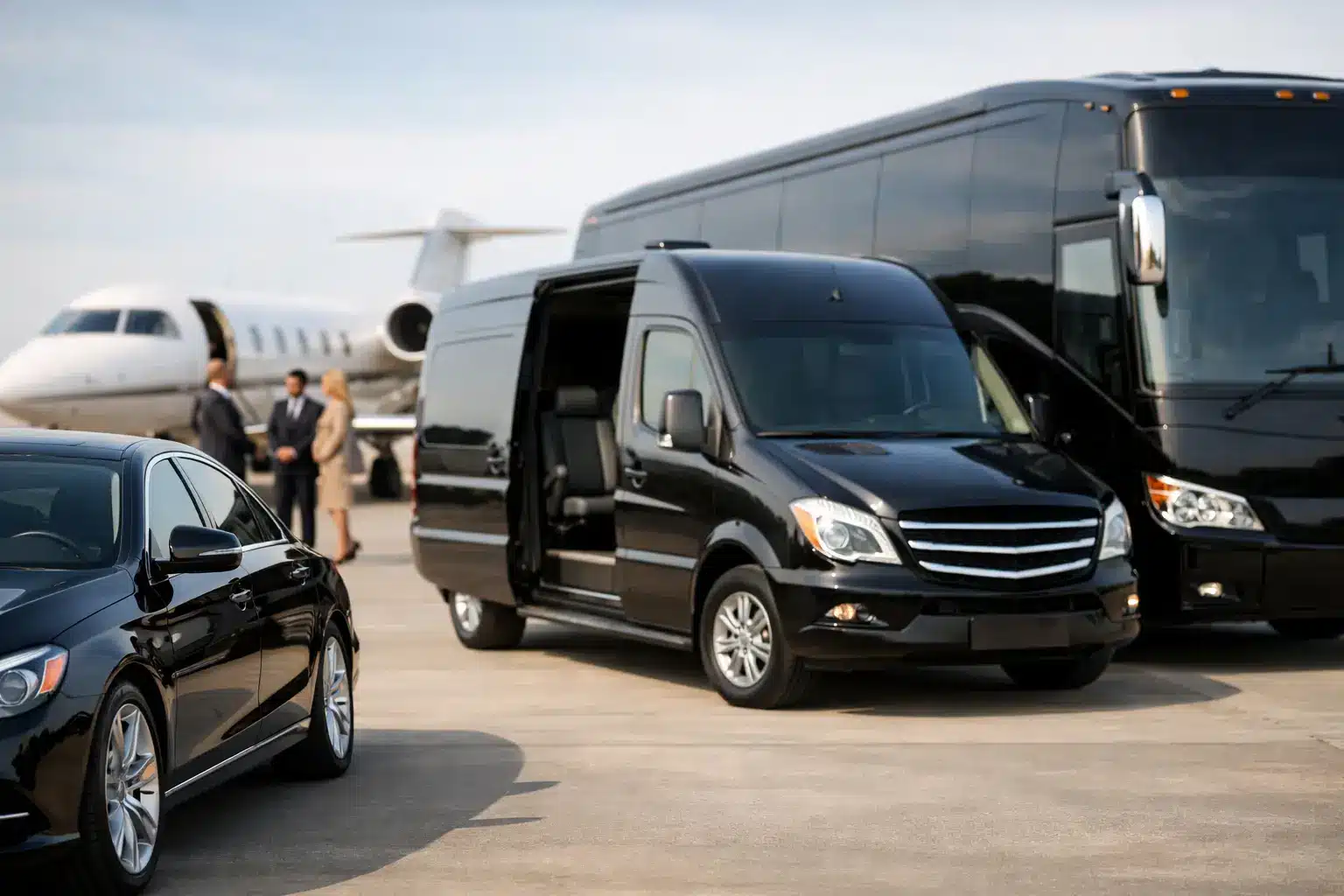
A corporate event can lose momentum before the first guest enters the room. A keynote speaker delayed at the airport, a board member left searching for a pickup point, or a group arriving in separate waves changes the tone of the entire program. The best transportation for corporate events is not simply a vehicle choice. It is a managed arrival experience that protects the schedule, the guest experience, and your organization’s reputation.
For executive meetings, investor presentations, incentive programs, conferences, client dinners, and large-scale galas, transportation should operate quietly in the background. Guests should feel expected. Event teams should know where people are meant to be. Leadership should not be fielding calls about missed pickups when attention belongs on the business at hand.
What the Best Transportation for Corporate Events Delivers
A successful event transportation plan begins with control. That means confirmed itineraries, professional chauffeurs, properly selected vehicles, and a dispatch team prepared to adjust when travel plans change. Luxury matters, but operational discipline matters just as much.
The right service creates a consistent standard from the first airport arrival to the final departure. A senior executive traveling alone needs privacy, space to prepare, and a chauffeur who understands discretion. A delegation moving from a Manhattan hotel to a meeting venue needs coordinated timing and clear staging. A client group headed to a dinner or sporting event needs a polished experience without the uncertainty of individual arrivals.
This is why vehicle selection should never be treated as a generic capacity calculation. The passenger count matters, but so do luggage, timing, security expectations, venue access, and the level of hospitality the occasion calls for.
Choose the Vehicle Around the Event, Not the Other Way Around
A premium fleet gives planners options, but more options are not automatically better. The most effective plan uses the fewest moving parts needed to deliver comfort, punctuality, and a composed guest experience.
For individual executives, a luxury sedan provides a refined, discreet setting for airport transfers and point-to-point travel. It is a strong choice when privacy and a formal arrival are priorities. Luxury SUVs add passenger room and luggage capacity, making them particularly useful for airport parties, senior teams, and guests traveling with assistants or presentation materials.
For small groups traveling together, an executive sprinter often offers the best balance of comfort and coordination. Rather than splitting colleagues across multiple vehicles, the group can review the agenda, prepare for a meeting, or simply arrive together. This is especially valuable when a full team needs to move between a hotel, headquarters, and evening venue on a tight schedule.
Larger conferences and group programs may require minibuses or motorcoaches. These vehicles are not merely about moving more people. They establish a reliable departure rhythm, reduce congestion at the venue, and give organizers one clear passenger manifest instead of dozens of individual arrival variables.
The principal categories are easy to define, but the decision deserves context:
- Luxury sedans suit executive airport transfers, VIP travel, and individual client service.
- Luxury SUVs accommodate small parties, luggage, and elevated comfort requirements.
- Executive sprinters keep leadership teams and small delegations traveling together.
- Motorcoaches and larger group vehicles support conferences, off-site meetings, and high-volume guest movement.
Specialty vehicles may have a place at brand launches, entertainment events, or high-visibility hospitality programs. They should serve the event’s purpose rather than distract from it. For most corporate functions, a cohesive black car fleet with a consistent presentation sends a stronger message than an overly complicated assortment of vehicles.
Build the Transportation Plan Before Invitations Go Out
The strongest transportation plans are designed early, when event details can still influence one another. Waiting until guest lists are final often creates avoidable conflicts around pickup windows, venue access, and vehicle availability.
Start with the event’s critical moments: airport arrivals, hotel check-in, the first hosted function, the main meeting, evening programming, and departures. Then identify who must be on time without exception. A keynote speaker, C-suite executive, major client, or diplomatic guest should have an individual itinerary and direct oversight. Other attendees can be grouped according to flight timing, hotel location, and program schedule.
Arrival data needs to be useful, not merely collected. Flight number, airport, terminal, number of passengers, luggage needs, mobile contact, destination, and preferred pickup method all affect the assignment. For international guests or private aviation passengers, build in additional flexibility. A precise flight itinerary is helpful, but it is not a guarantee that the guest will be ready at the curb at a particular minute.
For multi-day events, designate transportation windows rather than arranging every movement as an isolated trip. Hourly chauffeur service can be the better choice for executives with changing meeting schedules, media obligations, or multiple stops. A dedicated vehicle and chauffeur allow the itinerary to shift without requiring the executive assistant to rebuild transportation arrangements throughout the day.
Insist on Professional Chauffeurs and Active Dispatch
The vehicle is visible, but the chauffeur defines the experience. Corporate passengers expect a professional who arrives early, communicates clearly, respects confidentiality, and understands that the passenger’s time has value. In New York City, that also means knowing how to manage hotel driveways, venue loading zones, airport procedures, and changing traffic conditions with calm judgment.
A properly managed service should provide licensed, insured chauffeurs and live operational support. The difference becomes clear when an inbound flight changes gates, a meeting runs long, or a venue asks vehicles to stage at a different entrance. Those are ordinary realities of corporate travel, not exceptions. A 24/7 dispatch operation gives planners a real point of accountability when adjustments are needed.
Ask how the provider handles confirmation, chauffeur details, flight monitoring, passenger communication, and after-hours changes. Ask who has authority to make decisions on the event day. The answers reveal whether you are reserving a vehicle or engaging a transportation partner.
Account for New York City Conditions Without Overplanning Them
New York rewards precision, but not rigidity. Midtown congestion, street closures, security details, weather, and venue restrictions can alter a route quickly. A transportation plan should include realistic travel windows and deliberate staging, particularly for events in Manhattan where curb access may be limited.
For airport movements through JFK, LaGuardia, Newark, Teterboro, or Westchester County Airport, separate flight arrival from guest-ready time. A chauffeur can track the flight, but the guest may have baggage, customs, a private terminal process, or colleagues to meet before departure. Clear pickup instructions and a designated contact eliminate unnecessary friction.
Venue coordination is equally important. Confirm loading locations, vehicle holding areas, coach restrictions, and the final departure procedure. For a gala or large dinner, releasing every vehicle at once can create congestion. Staggered departures, a chauffeur call-up process, and an on-site transportation lead keep the final impression as polished as the first.
One Standard Across Every Market
Corporate events are increasingly multi-city affairs. A meeting may begin in New York, continue in Chicago, and end with a client program in Miami or London. Managing separate local providers for each market creates inconsistent standards, fragmented billing, and too many contacts for an already busy planning team.
A single transportation account can simplify that work. NYC Drivers coordinates premium chauffeur service across more than 50 US cities and 100 international destinations, giving corporate teams one standard of care and one invoice across a broader program. This is particularly valuable for roadshows, executive travel calendars, national meetings, and events with guests arriving from several regions.
Consistency does not mean treating every city the same. It means retaining the same expectations for chauffeur professionalism, vehicle quality, communication, and accountability while adapting routing and logistics to the local market.
Make the Event Day Feel Effortless
On the day of the event, the transportation plan should be simple enough for guests to follow and detailed enough for the operations team to manage. Provide guests with the essentials: chauffeur contact information, pickup instructions, vehicle description, and a clear meeting location. Keep the larger routing plan with the event lead and dispatch team.
For high-priority passengers, confirm pickup status before they need to ask. For groups, have a clear check-in point and a departure captain who can confirm the headcount. For executive assistants, offer one reliable contact who can resolve changes quickly and discreetly.
The best transportation plan gives every guest the same message: your arrival was anticipated, your time is respected, and the event is under control. That confidence begins at the curb and follows the guest into the room.
Leave a Reply